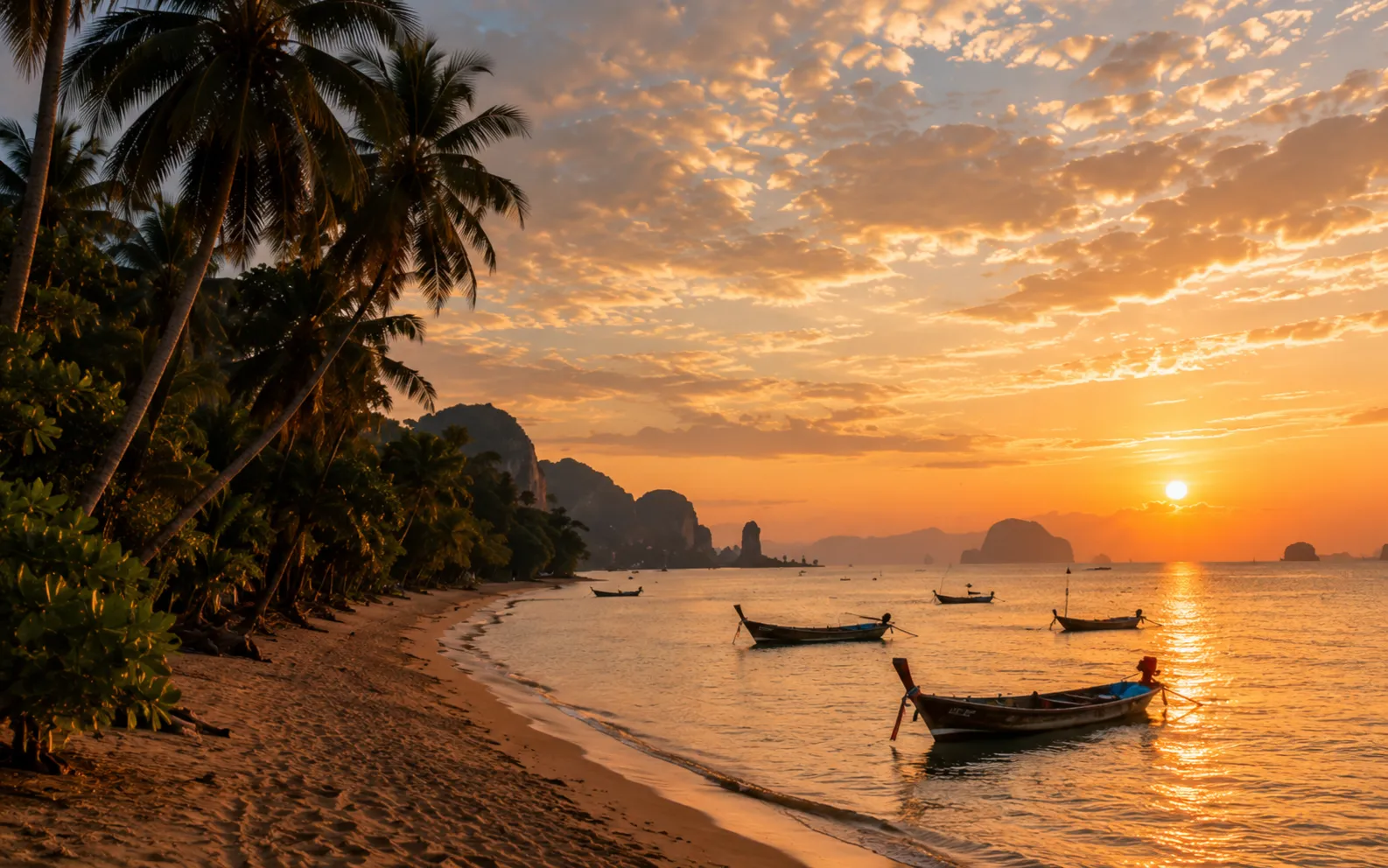
Discovering Places Through People turns travel into something richer than sightseeing. Buildings, beaches, markets, and museums can be beautiful, but people give them context. A local conversation can explain a neighborhood better than a brochure. A cooking class can reveal family traditions behind a dish. A community event can show rhythm, humor, and pride. This kind of travel requires openness and care. It also requires preparation. A thoughtful people-centered travel guide helps you approach each destination with respect. The result is connection, not just movement.
Typical itineraries often prioritize famous places. That is understandable, but it can leave the destination feeling distant. Human connection adds depth. You learn what residents value, avoid, celebrate, and protect. You notice daily rituals that tourists often miss. You hear stories that make streets and spaces feel personal. A local connection travel resource can help you find respectful ways to engage. This approach does not reject landmarks. It gives them a living background. Travel becomes less about collecting proof and more about understanding place.
Meaningful interaction rarely happens when you rush from attraction to attraction. Choose settings where conversation feels natural. Small tours, workshops, food markets, language exchanges, community classes, and neighborhood walks can create better openings. Stay patient. Not every interaction needs to become deep. Sometimes a short exchange teaches enough. Observe before entering a space. Follow local norms. A hidden local experiences guide helps you identify places where connection feels appropriate. The best conversations usually begin with genuine interest, not performance.
Etiquette protects the quality of your interactions. Learn greetings, basic manners, and common sensitivities before arrival. Ask before photographing people, homes, rituals, or private spaces. Avoid treating culture as entertainment created for your benefit. Listen more than you speak. Accept that some spaces are not meant for visitors. A respect local cultures checklist keeps your curiosity grounded. Good manners make people feel seen rather than studied. That difference changes the entire tone of a trip.
AI can help you prepare for deeper travel by finding local events, cultural notes, neighborhood histories, and basic phrases. It can suggest respectful questions for guides, hosts, or workshop leaders. It can also help you identify experiences that seem community-based instead of purely staged. Use those suggestions as a starting point. Then verify details through current local sources. A AI cultural discovery toolkit can save planning time while improving your awareness. Technology should lead you toward people, not replace them.
Open travel still needs boundaries. Meet new people in public places. Avoid sharing private details too quickly. Tell someone your plans when meeting a local contact. Use trusted platforms, organized events, or reputable guides when possible. Pay attention to discomfort without dismissing it. Respect others’ boundaries as carefully as your own. Safety is not suspicion. It is structure. With clear boundaries, you can stay relaxed and present. That presence makes conversations better. It also helps you enjoy immersive experiences without ignoring practical risks.
After the trip, think about what people helped you understand. Write down stories, phrases, customs, and moments that changed your view. Share those memories with care. Avoid turning one person into a symbol for an entire culture. Support local businesses you valued. Recommend respectful experiences instead of exploitative ones. Keep learning through books, films, music, food, and history. This makes travel continue at home. The best journeys do not end with a return flight. They keep expanding how you see people and places.

Leave a comment